
Advance your surgical skills in the face and neck with the Full SMAS Concept.
Deepen your understanding of facial rejuvenation alongside internationally recognized surgeons. Observe surgery in real time, then move into guided cadaver dissection with just two participants per table.
Two days to sharpen what you see, how you plan, and what you do in facial surgery.
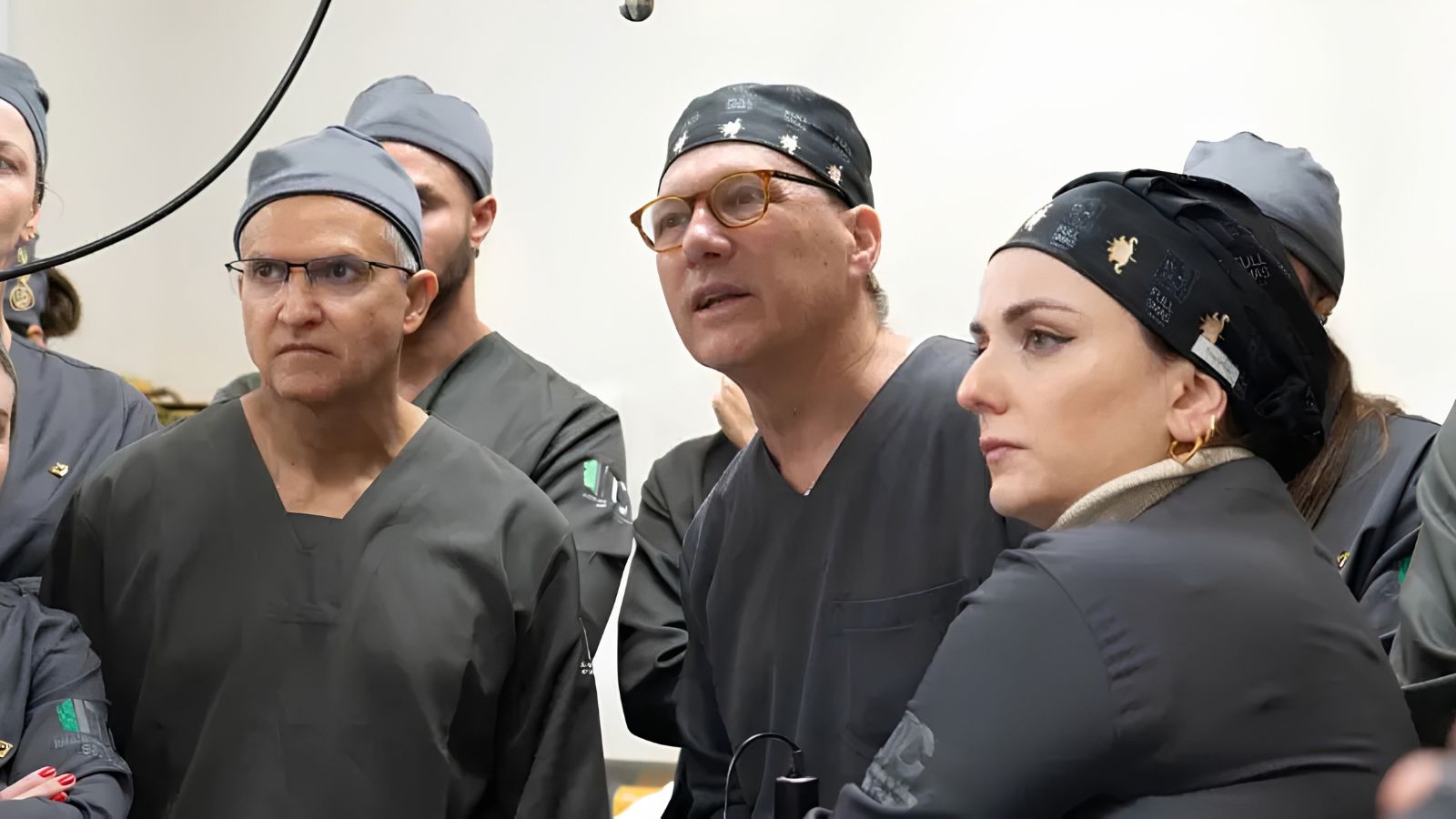
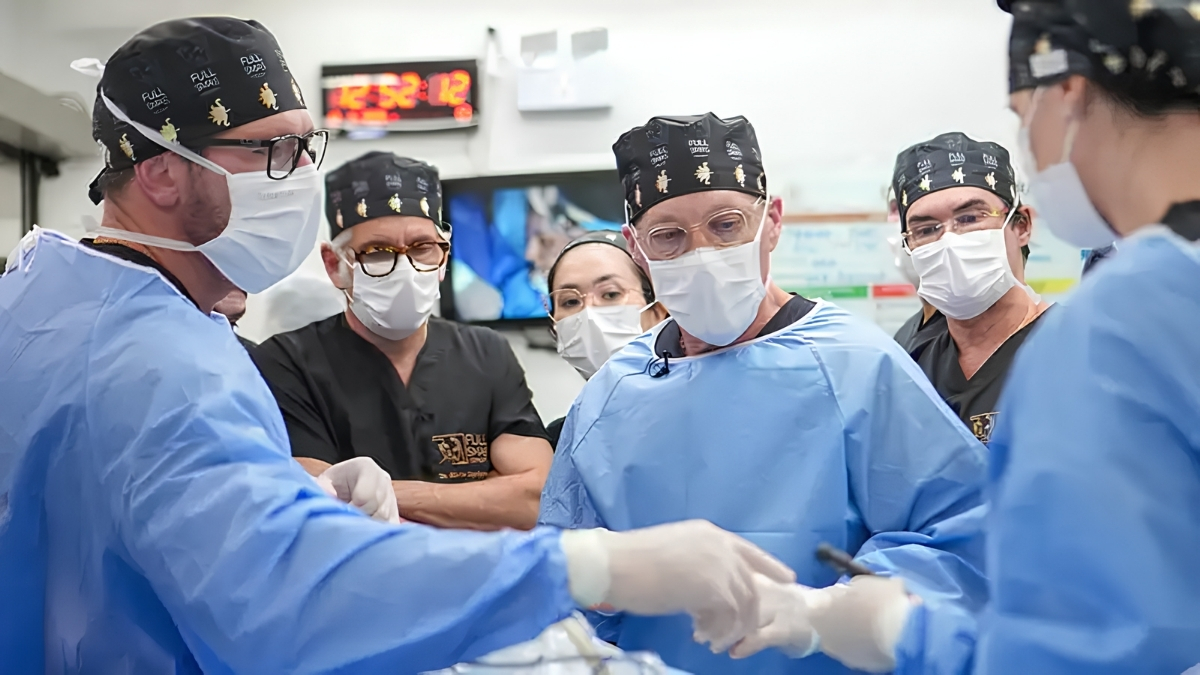
Full SMAS connects facial and cervical anatomy with the decisions made during surgery. On day one, watch a live-streamed operation and discuss tissue planes, anatomy, and technique with the faculty as the case unfolds.
On day two, carry those observations into the cadaver lab for guided dissection, demonstrations, and hands-on work at tables limited to two participants.
LIVE SURGERY
Watch a live-streamed operation and discuss tissue planes, anatomy, and technique with the faculty as the case unfolds.
CADAVER LAB
Carry those observations into the cadaver lab for guided dissection, demonstrations, and hands-on work at tables limited to two participants.
LIVE-STREAMED SURGERY
Follow the procedure, faculty commentary, and intraoperative decision-making in real time.
HANDS-ON CADAVER LAB
Participate in guided dissection with two participants per table, faculty demonstrations, and Q&A.
ABAM 2027 INCLUDED
Your Full SMAS registration includes the same surgeon's full four-day conference pass.
Facial aging involves more than one region and more than one tissue plane.
The forehead, periorbital area, midface, jawline, and neck call for an integrated anatomical assessment. Full SMAS examines these regions together: from endoscopic approaches to the forehead and midface to the ways surgeons can work with the SMAS and platysma in the lower face and neck. The training brings the questions that matter into focus: where to dissect, how much to release, how to reposition tissue, and which techniques to combine for a particular patient.
“Understand the anatomy behind each choice, rather than memorizing a fixed sequence of maneuvers.”
Endoscopy, deep plane, High SMAS, and plication—selected for the anatomy and indication.
The Full SMAS Concept® examines an extended endoscopic approach, on its own or in combination with an open facelift and other strategies, including deep plane, High SMAS, and plication. Its guiding principle is to balance the extent of dissection with the mobility required for the surgical plan, while considering anatomy and postoperative morbidity.
The learning is in understanding why one approach—or a thoughtful combination—may be appropriate for a given case.
Forehead and midface endoscopy
Explore access points, spaces, retaining structures, release, and tissue repositioning.
SMAS and platysma
Study the lower-face and neck planes and the surgical options for the jawline and cervical contour.
Deep plane, High SMAS, and plication
Compare the principles behind these approaches and discuss how indication informs selection.
Fixation and refinement
Examine support and fixation strategies, submental anatomy, and adjunctive elements of a facial plan.
What changes in the way you analyze a facial case?
Start with aging patterns in the periorbital area, midface, and neck. Identify critical anatomy and danger zones. Then consider the role of endoscopy, SMAS techniques, neck surgery, and appropriate adjuncts. The workshop brings these questions into a live case discussion and guided anatomical study. These are learning objectives, not a promise of proficiency or patient outcomes after two days.
From the temporal region to the neck, study how the planes connect.
The established Full SMAS curriculum covers structures and decisions often taught in isolation. The following describes the scope of the Full SMAS methodology. The exact demonstrations and lab stations for Park City follow the final 2027 program.
- 01
Forehead and temple
Endoscopic anatomy and access, temporal spaces, septa, ligaments, the sentinel vein, and supraorbital landmarks.
- 02
Midface and periorbital region
Temporal access to the midface, the prezygomatic space, retaining structures, and the principles of endoscopic release and repositioning.
- 03
Lower face and jawline
SMAS planes and elevation strategies; the relationship among plication, High SMAS, and deep plane; anatomical risk zones.
- 04
Neck and submental region
Platysma, cervical spaces, subplatysmal fat, platysmal bands, and approaches to neck treatment.
- 05
Fixation and complementary techniques
Endoscopic fixation, tissue support, and adjuncts selected according to anatomy and indication.
Foundational anatomy
Facial topography, SMAS, nerves, ligaments, adhesions, spaces, forehead and midface anatomy for endoscopy, lower-face anatomy, platysma, and submentum.
Facial endoscopy
Forehead and midface incisions; temporal spaces, septa, and ligaments; sentinel vein and supraorbital ligament.
Midface and periorbital area
Temporal approach, prezygomatic space, release in the zygomaticomasseteric region, and extended endoscopic midface lifting.
Fixation
Endoscopic fixation principles, direct fixation with the Casagrande needle, and forehead support devices described in previous curricula.
Lower face and neck
SMAS-platysma elevation, submental approach, subplatysmal fat, platysmal bands, and neck-lift options.
Anatomical immersion helps you see how these regions relate, recognize safety boundaries, and bring more precise questions to the faculty.
See the operation unfold. Then find the anatomy yourself.
LIVE SURGERY BROADCAST
Follow the procedure from Park City Hospital. Faculty members discuss anatomy, surgical choices, and intraoperative decisions while taking questions and examining the case in real time.
CADAVER LAB
Move from observation to guided dissection. Two participants per table work with faculty demonstrations, instruction, and technical discussion. Relate the structures in the lab to what you observed during the operation.
Understand the reasoning behind the technique.
The more techniques you know, the more important it becomes to know when to use each one.
This immersion is designed for surgeons looking to deepen their understanding of anatomy, indication, and execution in facial rejuvenation. The conversation spans periorbital, midface, and neck aging; endoscopic, open, and hybrid approaches; critical structures; surgical safety; and complication management. The goal is to expand your reasoning across different facial presentations without reducing every case to one formula.
MATCHED TO
INDICATION
anatomy
selection
recognition
international faculty
The more techniques you know, the more important it becomes to know when to use each one.
This immersion is designed for surgeons looking to deepen their understanding of anatomy, indication, and execution in facial rejuvenation. The conversation spans periorbital, midface, and neck aging; endoscopic, open, and hybrid approaches; critical structures; surgical safety; and complication management. The goal is to expand your reasoning across different facial presentations without reducing every case to one formula.
MATCHED TO
INDICATION
anatomy
selection
international faculty
recognition
See the Full SMAS Concept through clinical outcomes.
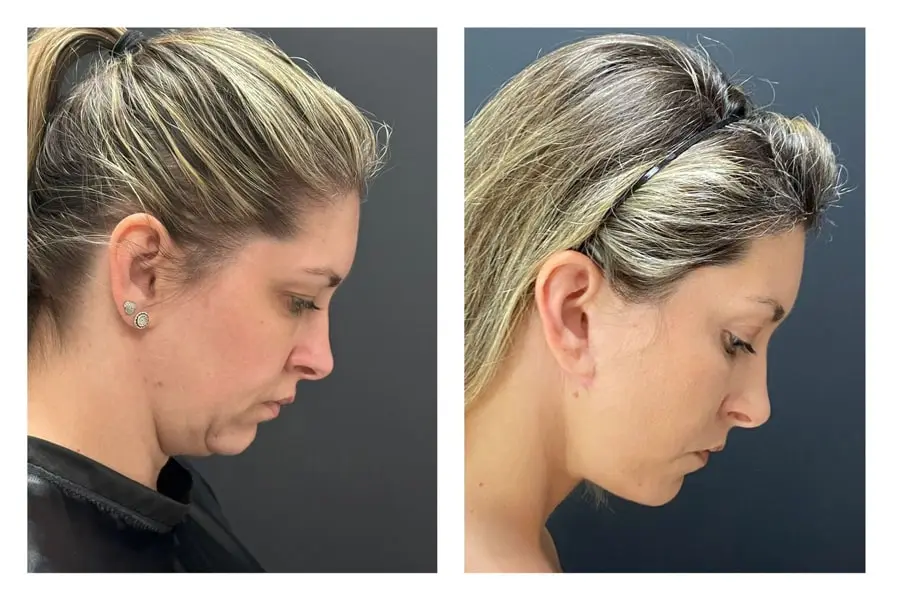
Two days of in-person training. One year to revisit the online classes.
Full SMAS registration also includes 12 months of access to Full SMAS Concept online classes. Return to technical explanations, review narrated procedures, and revisit key concepts in facial anatomy and rejuvenation at your own pace after the in-person experience.
Two days of in-person training. One year to revisit the online classes.
Full SMAS registration also includes 12 months of access to Full SMAS Concept online classes. Return to technical explanations, review narrated procedures, and revisit key concepts in facial anatomy and rejuvenation at your own pace after the in-person experience.
One hands-on workshop. Two events in your registration.
Full SMAS Cadaver Lab + ABAM 2027
February 3–4: Full SMAS workshop. February 4–7: ABAM.
- Full SMAS workshop on February 3–4
- Live surgical broadcast and teaching
- Guided cadaver dissection with two participants per table
- Faculty demonstrations and Q&A
- 12 months of Full SMAS online classes
- Full ABAM 2027 conference registration for the same surgeon, February 4–7
Lodging, travel, skiing, spouse/guest registration, and separately ticketed workshops.
Subject to availability and verification of professional credentials.
ABAM 2027 Only
February 4–7, 2027.
Four days of scientific education, international exchange, professional connections, and conference social programming in Park City.
Physician registration starts at US$1,700 for the Early Bird period, February 8–October 14, 2026. Additional categories and periods are available.
ABAM-only registration does not include the Full SMAS workshop or other separately ticketed workshops.
ABAM 2027 REGISTRATION RATES
| REGISTRATION CATEGORY | EARLY BIRD2/8/26 – 10/14/26 | REGULAR10/15/26 – 12/31/26 | ON-SITE1/1/27 – 2/4/27 |
|---|---|---|---|
| Physicians | $1,700 | $1,950 | $2,250 |
| Resident/Fellow/Medical Student | $400 | $400 | $600 |
| Nurse/Aesthetician | $550 | $550 | $750 |
| Spouse/Guest | $350 | $350 | $550 |
| Practice Management Staff | $350 | $350 | $550 |
| Consultants & Industry Representatives | $1,000 | $1,200 | $1,500 |
A technique comes into focus when you can see it, discuss it, and study its anatomy firsthand.
A lecture introduces the possibilities. A live operation exposes the choices behind them. Anatomical study reveals the planes, structures, and boundaries that inform each approach. Full SMAS brings these dimensions together in surgical education. ABAM extends the discussion with colleagues from different countries and aesthetic specialties.
Explore the WorkshopYour experience, day by day.
Endoscopic/deep plane surgery streamed from Park City Hospital, with faculty teaching and live Q&A.
Speakers, times, sessions, and social events are subject to change. The Full SMAS lab on February 4 overlaps some ABAM programming.
View the Full ProgramTwo days to study facial surgery up close. Then work through the anatomy in the lab.
The pre-ABAM workshop combines a live surgical broadcast, real-time teaching, and guided anatomical dissection. Watch the technique and the decisions behind it on day one. On day two, study tissue planes in a cadaver lab with two participants per table, faculty demonstrations, and opportunities to ask questions.
Learn from surgeons who practice, teach, and advance facial surgery.
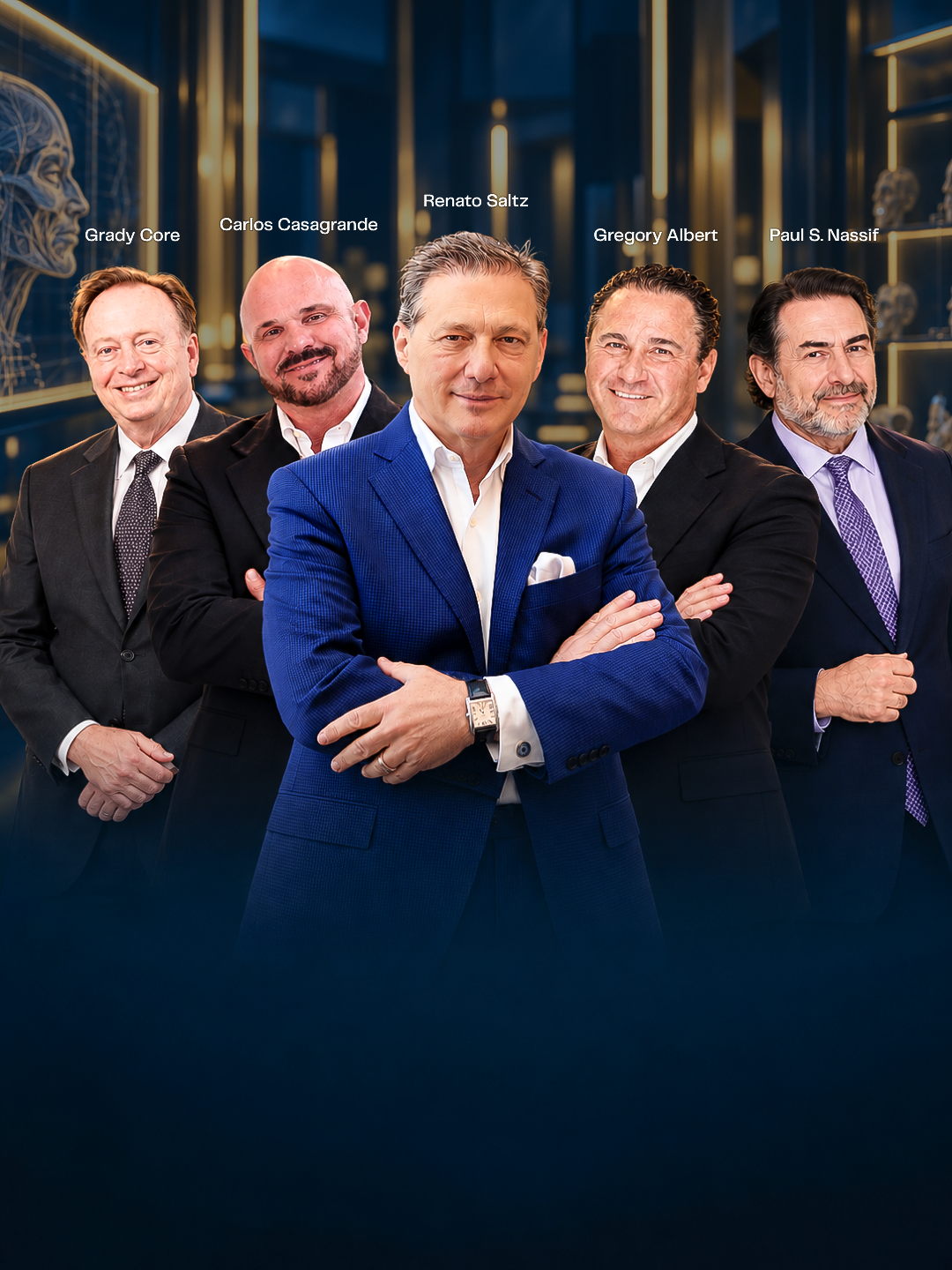
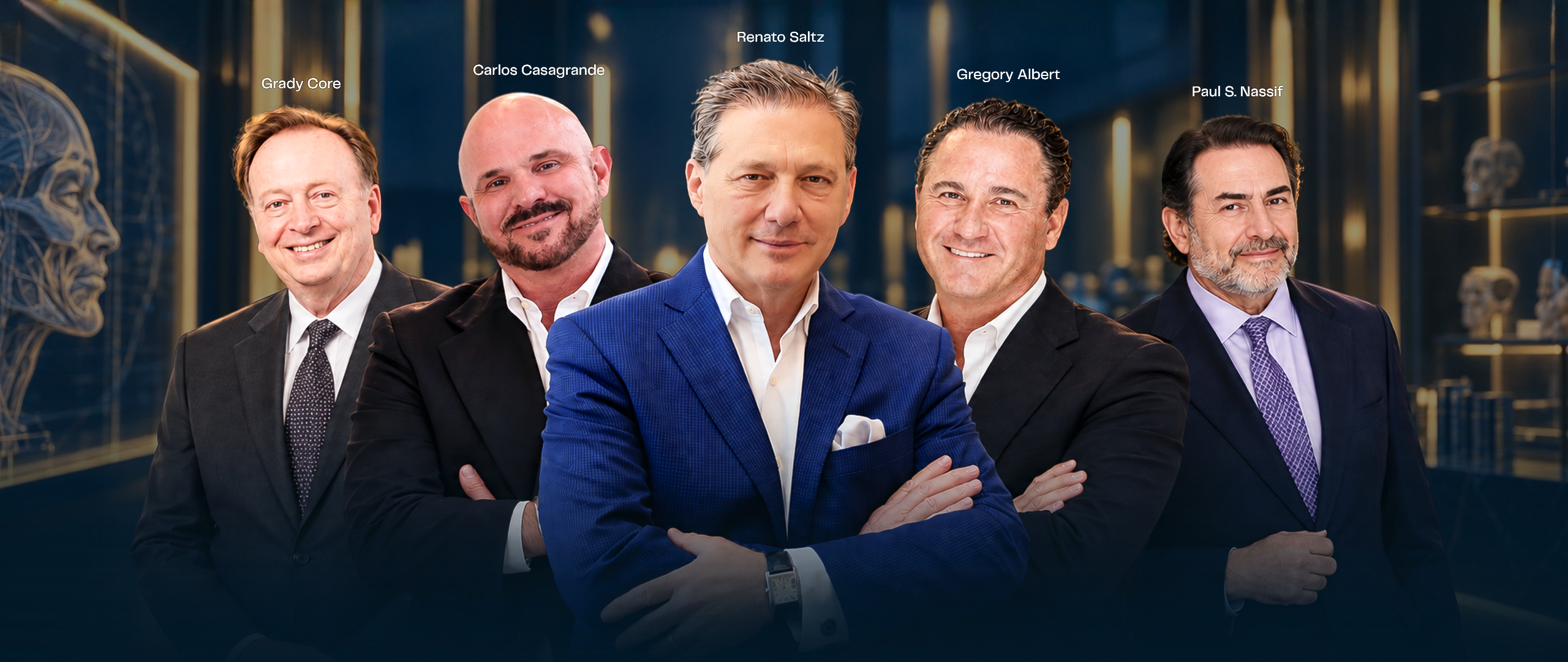
The current workshop page lists Renato Saltz, Carlos Casagrande, Paul Nassif, Grady Core, and Gregory Albert. Individual profiles and assigned workshop roles will be updated from the faculty materials supplied by the organizers.
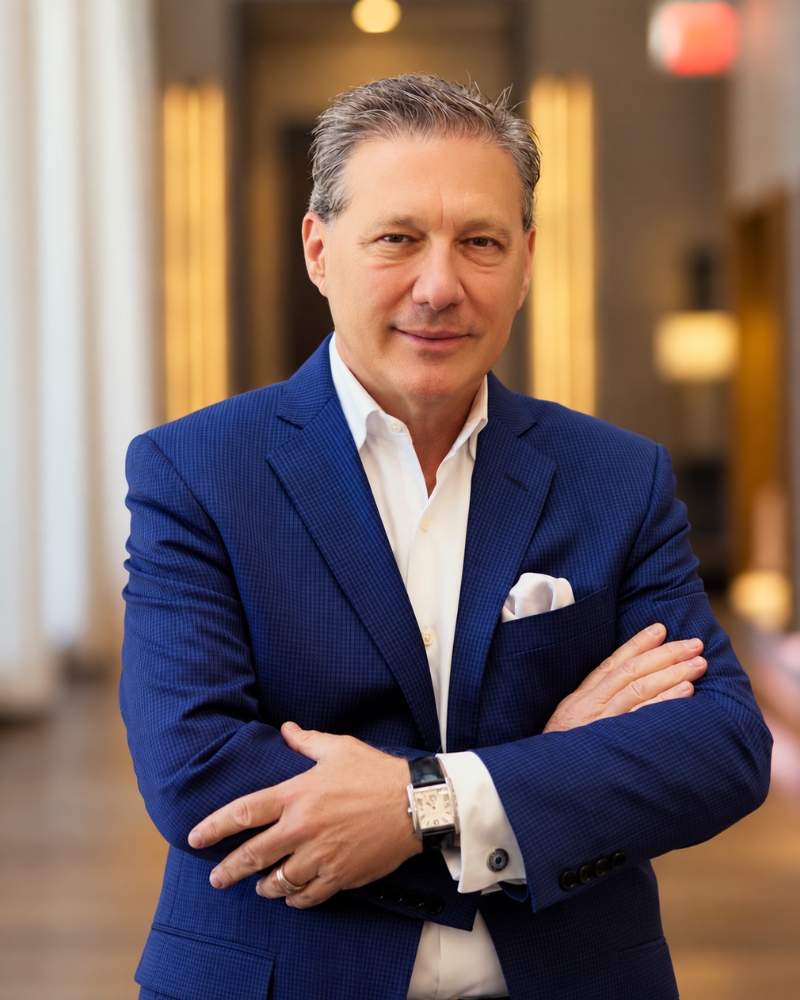
Renato Saltz, MD
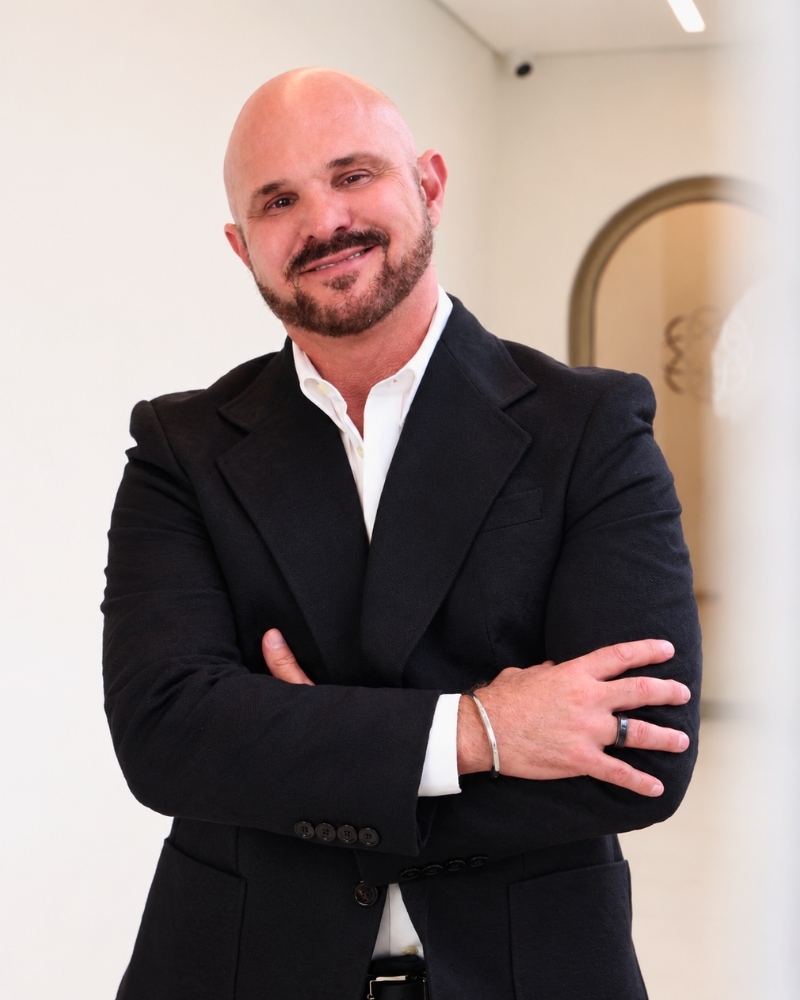
Carlos Casagrande, MD
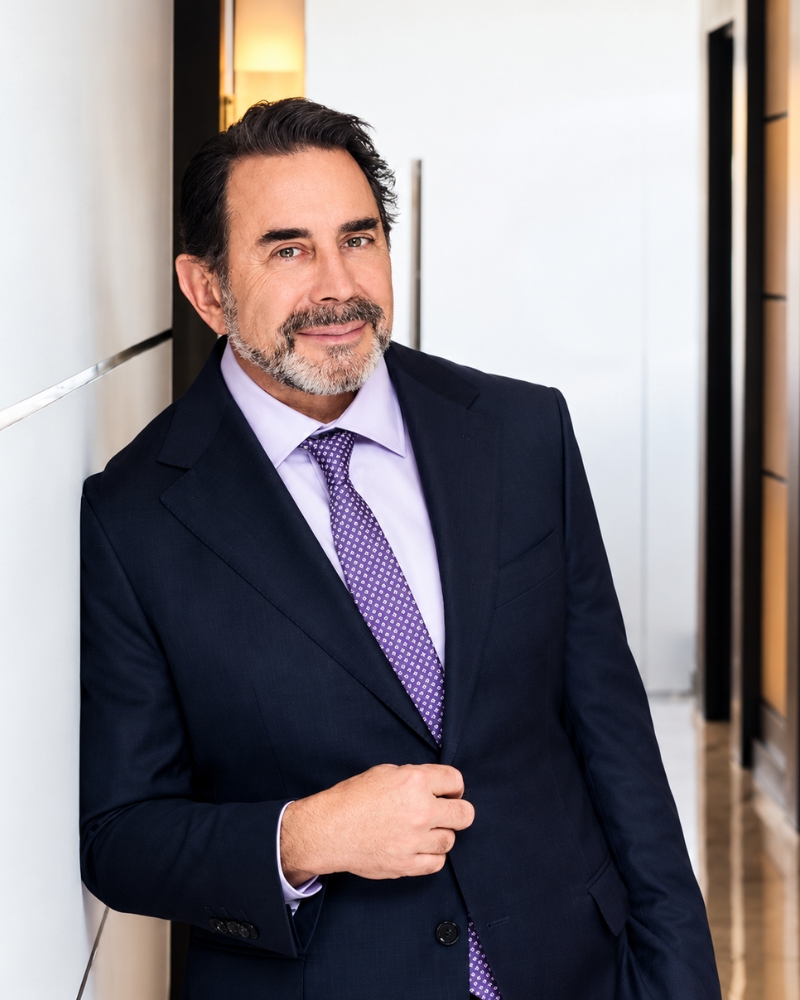
Paul S. Nassif, MD, FACS
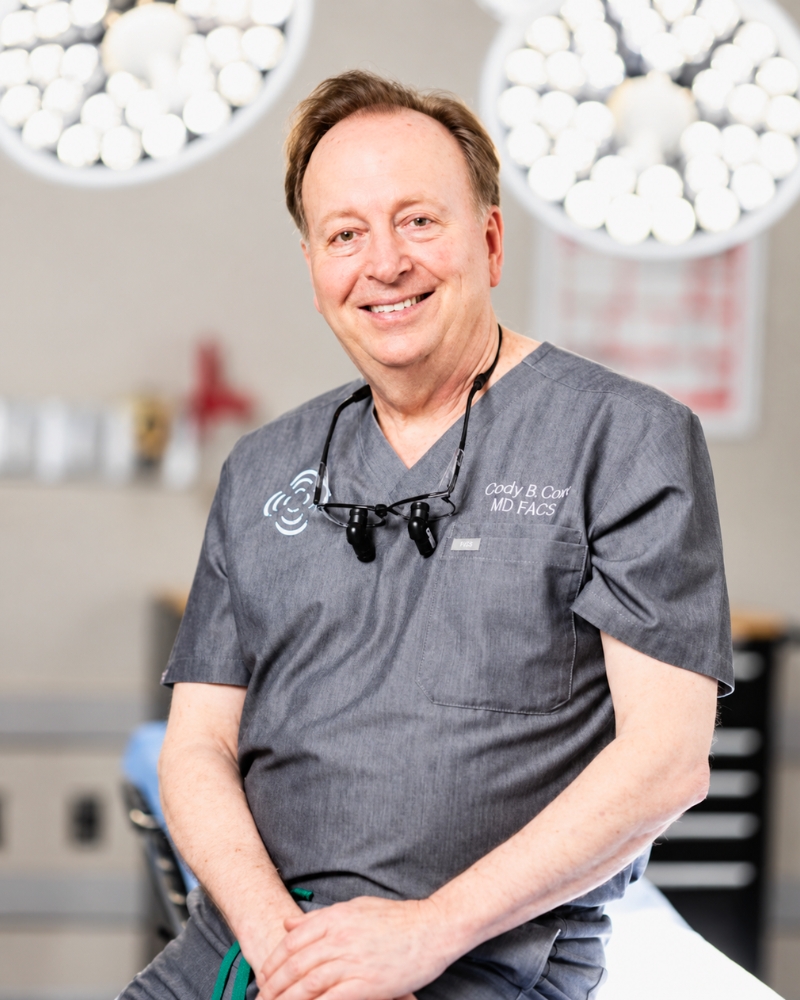
Grady Core, MD
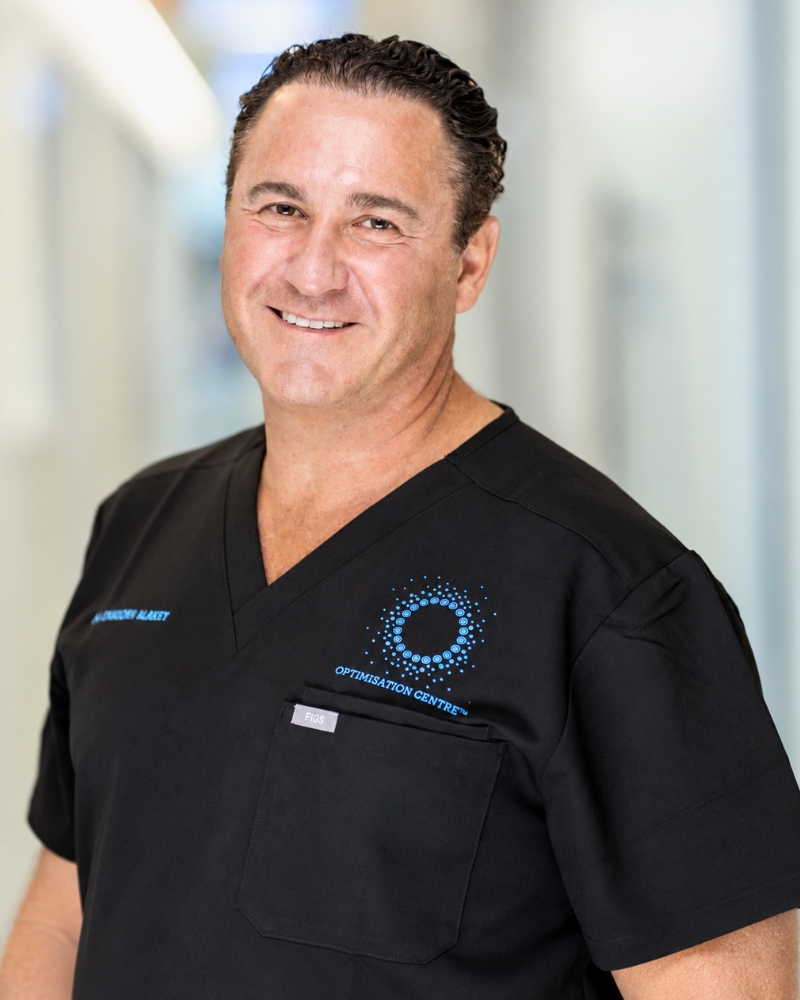
Gregory Albert, MD
Learn from surgeons who practice, teach, and advance facial surgery.
The current workshop page lists Renato Saltz, Carlos Casagrande, Paul Nassif, Grady Core, and Gregory Albert. Individual profiles and assigned workshop roles will be updated from the faculty materials supplied by the organizers.
Renato Saltz, MD
Carlos Casagrande, MD
Paul S. Nassif, MD, FACS
Grady Core, MD
Gregory Albert, MD
Four days of science, collaboration, and professional relationships that last beyond the meeting.
From February 4–7, ABAM brings together plastic surgeons and other aesthetic specialists to exchange ideas about techniques, research, technology, and practice management. Set at the Grand Summit Hotel, the meeting creates space for learning and for conversations with colleagues from around the world.
Surgical and nonsurgical tracks
International faculty and attendees
Scientific and social programming
Park City as a setting for learning and connection.
Surgical and nonsurgical tracks
International faculty and attendees
Scientific and social programming
Park City as a setting for learning and connection.
Make room to experience Park City, too.
Beyond the sessions, Park City offers mountain scenery, winter sports, dining, galleries, and activities for a range of ages. The Grand Summit Hotel hosts the conference. Plan accommodations and companion activities early so the trip works for you and your family.

Make room to experience Park City, too.
Beyond the sessions, Park City offers mountain scenery, winter sports, dining, galleries, and activities for a range of ages. The Grand Summit Hotel hosts the conference. Plan accommodations and companion activities early so the trip works for you and your family.
Lodging, lift tickets, lessons, excursions, childcare, and guest registrations are separate unless the organizers explicitly state otherwise.
Education that supports a larger mission.
ABAM is a nonprofit educational meeting. According to the organizers, meeting profits support the Image Reborn Foundation, which provides no-cost retreats for breast cancer survivors.
LEARN ABOUT THE ABAM MISSION→Take your next step in the lab—and continue the conversation with an international community.
Join the Full SMAS cadaver workshop and receive full access to ABAM 2027 as part of your registration. If your goal is the conference alone, ask about the ABAM-only options.
Frequently asked questions
It covers one surgeon's participation in the February 3–4 workshop and full registration for ABAM 2027, February 4–7. The workshop includes a live surgical broadcast, teaching and discussion, and guided cadaver dissection with two participants per table. It also includes 12 months of access to Full SMAS online classes.
No. A full conference pass for the same participating surgeon is included at no additional cost.
No. Full SMAS is a separately registered workshop.
The published workshop program specifies a live surgery broadcast from Park City Hospital, with faculty commentary and real-time questions for workshop participants.
The second day features guided dissection and faculty demonstrations, with two participants per table.
Yes. The Full SMAS lab is scheduled for February 4, when ABAM activities also begin. Check the final schedules to see which conference events you can attend around the workshop.
Yes. Park City offers activities for a wide range of ages. Spouses and guests who wish to attend ABAM meals or events reserved for registered attendees should ask about the appropriate guest category.
Those items have not been identified as part of the US$11,995 workshop offer. Plan travel, lodging, lift tickets, and activities separately through the relevant providers.
The workshop is priced per surgeon, and its registration process requests medical credentials. The organizers will verify professional eligibility before confirming participation.
Use the Full SMAS WhatsApp button to speak with the team about the workshop, eligibility, and registration details.
Use the ABAM WhatsApp button and tell the team your professional category so they can explain the appropriate registration period and guest options.
Yes. The Park City Full SMAS offer includes 12 months of access to Full SMAS Concept online classes.